The Perks of Artificial Grass Installation: A Low-Maintenance Solution for Your Yard
Artificial grass installation presents numerous advantages that appeal to homeowners seeking a low-maintenance lawn solution. It does away with routine maintenance tasks such as mowing and irrigation, providing a sensible substitute for conventional landscaping. Moreover, its eco-friendly attributes contribute to water conservation and reduced chemical usage. When homeowners evaluate this choice, questions about safety and long-term savings naturally arise, prompting a closer copyrightination of its overall impact on outdoor spaces.
The Time-Saving Edge of Artificial Grass
When homeowners consider the advantages of synthetic turf, one of the standout benefits is the remarkable time savings it delivers. Conventional lawns necessitate ongoing upkeep, including mowing, watering, and fertilizing, which can take up many hours every month. On the other hand, artificial grass does away with these chores, enabling property owners to take back those precious hours.
With no need for mowing, homeowners are able to enjoy a perpetually well-groomed appearance with minimal effort required. Additionally, the absence of watering requirements means that hectic routines will not be interrupted by the requirement to sustain moisture levels in the grass.
Additionally, artificial grass is typically built to resist weeds, decreasing the effort devoted to weeding and maintenance. This low-maintenance solution resonates with people and families wanting to enhance their outdoor spaces without the time-consuming work. All things considered, the time-saving advantage of synthetic grass considerably contributes to its rising demand amongst homeowners looking for convenience.
Environmental Advantages of Artificial Grass
While many homeowners seek aesthetic appeal, the green benefits of artificial grass render it an increasingly appealing solution. A key benefit is water conservation; artificial grass eliminates the need for regular watering, which can preserve thousands of gallons per year. This reduction in water usage is especially important in regions facing drought conditions.
Furthermore, synthetic turf decreases the need on chemical fertilizers and pesticides, encouraging a greener environment. Compared to natural grass, it does not require regular mowing, therefore reducing greenhouse gas emissions linked to fuel-powered lawn mowers and equipment.
In addition, the use of artificial grass can contribute to decreased soil erosion, as it offers a stable surface that endures high volumes of foot traffic and harsh weather conditions. In summary, the environmentally friendly attributes of synthetic turf not only benefit residential property owners but also advance wider efforts toward environmental sustainability.
Is Artificial Grass Safe for My Pets?
How safe is artificial grass for pets? Artificial turf is commonly recognized as a pet-friendly solution for homeowners. It is manufactured using non-toxic materials, guaranteeing that pets remain safe from the dangerous chemicals frequently found in conventional grass treatments. In contrast to natural grass, artificial turf does not attract or shelter pests like fleas or ticks, offering a cleaner and safer space for pets to enjoy.
In addition, artificial grass facilitates excellent drainage, minimizing the chance of soiled paws and the occurrence of bad odors. The durability of artificial grass allows it to handle rough play and digging, making it an ideal option for active pets. Moreover, many high-quality artificial grass products include UV-blocking technology, preventing fading and ensuring a protected area for pets to use in every season.
However, pet owners need to consistently clean the area to preserve hygiene and stop the build-up of bacteria. On the whole, artificial grass provides a secure and effective solution for pet owners in search of alternatives that require minimal upkeep.
Long-Term Cost Savings With Artificial Grass
Artificial grass not only enhances the safety and enjoyment of pets but also offers significant long-term savings for homeowners. By removing the requirement for routine watering, mowing, and fertilization, synthetic grass significantly cuts down on ongoing maintenance expenses. Property owners can anticipate reductions in water bills, particularly in regions subject to drought restrictions, as artificial lawns demand very little irrigation. Furthermore, the resilience of synthetic turf allows it to endure heavy foot traffic and harsh weather conditions without requiring frequent replacement. This lasting quality results in reduced expenses over time when compared to natural grass, which may need re-sodding or significant repairs. Additionally, reduced maintenance time allows homeowners to invest their efforts elsewhere, further contributing to cost-effectiveness. In summary, the upfront investment in synthetic turf can generate significant savings, making it a smart financial decision for those seeking to improve their outdoor areas while reducing long-term expenses.
Improving Your Outdoor Area With Artificial Grass
Enhancing an outdoor area is made simple when homeowners opt for artificial grass, as it offers a rich, green environment year-round without the burden of traditional lawn care. This flexible solution enhances aesthetics, creating welcoming spaces for relaxation, play, or entertaining. The vivid hues and lifelike surfaces available can complement various design styles, from contemporary to traditional, naturally harmonizing with existing outdoor design components.
Furthermore, artificial grass can be customized to individual needs, making it suitable for numerous applications such as playgrounds, patios, or poolside areas. Its resilience against heavy foot traffic guarantees that outdoor environments remain immaculate and accessible throughout every season. Additionally, artificial grass promotes environmental sustainability by reducing water consumption and doing away with harmful pesticides. Overall, this modern solution not only transforms the visual appeal of any exterior setting but also fosters a functional and enjoyable environment for homeowners and their guests.
The Benefits of Low Maintenance With Artificial Grass
Since many homeowners review article want a vibrant lawn without the demanding upkeep, opting for artificial grass offers an ideal solution. This modern landscaping solution demands far less upkeep than natural grass. Residents no longer must invest hours into cutting, irrigating, or feeding their lawns. Instead, a simple rinse with water is typically sufficient to keep the surface clean and looking fresh.
Synthetic turf is resistant to pests and lawn diseases, eliminating the need for harsh chemical applications that pose risks to the environment. Furthermore, it remains resilient in a wide range of weather conditions, maintaining its visual appeal across all seasons without discoloration or deterioration. The lack of mud and clippings also means less mess tracked into the home.
Thanks to artificial grass, homeowners can benefit from a consistently lush and inviting landscape without the constant labor and time commitment associated with natural grass. This low-maintenance option creates increased relaxation and reduced stress over lawn care.
What to Expect During Artificial Grass Installation
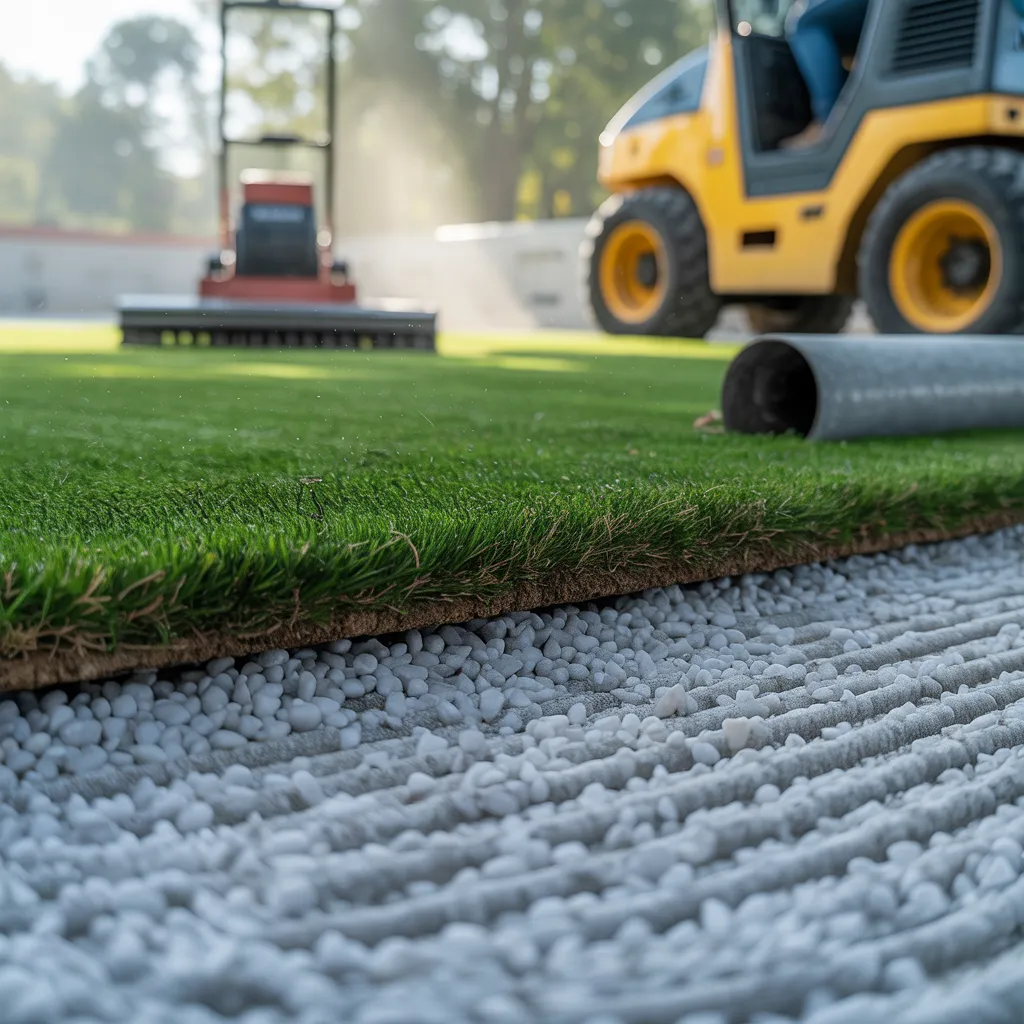
Homeowners opting for artificial grass can look forward to a smooth installation process that enhances their outdoor space. Typically, the process begins with an evaluation of the area to establish the correct type and amount of grass needed. Skilled installers will clean the existing lawn, removing debris and vegetation to create a smooth base.
Subsequently, they will level the ground and lay down a crushed rock base for proper drainage, ensuring maximum effectiveness. A weed membrane may be laid down to stop future weed growth. When the foundation is ready, the synthetic grass is laid out, cut to fit the designated space, and fixed firmly in place.
To complete the process, materials such as sand or rubber infill are applied to keep the grass blades upright while offering cushioning. The complete process usually requires just one to two days, allowing homeowners to quickly enjoy their new, low-maintenance lawn.
Questions We Often Receive
How Long Does Artificial Grass Last Before Needing Replacement?
Artificial turf commonly lasts between 15 to 25 years, depending on factors like usage, quality, and upkeep. When properly maintained, it can maintain its appearance and functionality throughout its lifespan, minimizing the need for replacement.
Can You Install Artificial Turf Over Real Grass?
Indeed, artificial grass may be laid on top of natural grass, though proper preparation is essential. This encompasses guaranteeing an even surface, eliminating debris, and resolving drainage concerns to minimize future problems and maintain long-term performance.
What Varieties of Artificial Grass Can You Choose From?
Several varieties of artificial grass exist, including nylon, polypropylene, and polyethylene. Each type differs in durability, texture, and application, catering to residential, commercial, and sports environments, enabling customized solutions to suit particular requirements.
Is Artificial Grass Resistant to Fading From Sunlight?
Synthetic turf has been engineered to be resistant to fading from sunlight, incorporating UV-resistant stabilizers that work to preserve its vibrant color over time. This resilience guarantees a uniform appearance, rendering it an attractive choice for outdoor spaces.
How Does Artificial Grass Perform in Extreme Weather Conditions?
Artificial grass excels in extreme weather conditions, preserving its structure and appearance. It is built to withstand heat, heavy rain, and freezing temperatures, guaranteeing durability and a consistent appearance regardless of environmental challenges.